

Benefits of an Assistant Engineer
Why a second set of hands can allow you to focus more on the music than the machinery
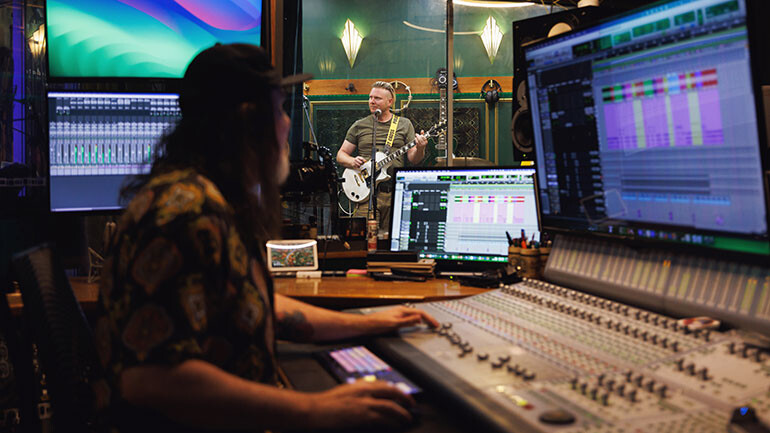
A lot of home recording is a solitary process, especially for those songwriters skilled enough to churn out band-sized demos on their own from start to finish. But why always go it alone when you could have a console companion for at least some of the tracking process? From checking on recording and monitoring levels, to weighing in on the mix-in-progress, here are some situations where a second set of hands can allow you to focus more on the music than the machinery.
Checks Your Levels
As an alternative to always working in front of your laptop or workstation, it would be handy to have someone at the faders while you’re attempting to get some good takes. First and foremost, your assistant can make sure that your vocal and instrument levels are properly set and stay out of the dreaded red zone during each performance, particularly when switching instruments or changing songs. If you don’t have to worry about whether your vocal is clipping or the guitars are too boom-y, you’re likely to have a better shot of getting some good takes quickly.
Makes Monitor Adjustments
As you know, ensuring there’s enough signal in your headphones (but not too much) is key to getting a good lead vocal or any other part properly tracked. Here the assistant can be in charge of feeding you the right balance of rhythm track and mic volume when overdubbing a lead vocal, perhaps intermittently pulling down sections of the track to make it easier to hear or conversely sending you more track if needed. Your helper can also be in charge of sending an effect such as reverb or delay to the monitor bus to add a bit of spaciousness while recording an overdub (without necessarily printing the effect).
Offers Production Suggestions
There are times when a bit of constructive criticism can go a long way, and in addition to supplying technical assistance, the co-engineer can also be used as a sounding board for the production-in-progress. Is it really necessary for an intro riff to last 16 bars when a mere eight will do? Are there one too many instruments clogging up the bridge section? Letting your partner weigh in on these and other production matters can help streamline the work, making for a tighter, more efficient listening experience. While you may balk at some of the suggestions, having someone with a fresh set of ears often does more good than harm.
In addition to physically assisting in the studio, you may also choose to use an offsite helper to sample the current recorded work. These days it’s a no-brainer to upload multitrack or mixed wave files (or stems) for sharing with a production partner, who can make suggestions about your mixing method, choice of instruments used as well as offering other insights.
Has a Good Personality
Whether working for yourself or cutting tracks on others, let’s face it, recording can at times be a nerve-fraying activity, requiring ample patience should unforeseen problems arise. Which is why an assistant’s most important attribute may be their temperament—what you don’t want is someone who only adds to the tension in the room when things aren’t always going according to plan. So when you’re having trouble nailing that lead vocal, or are finding it difficult getting the right guitar tone, you’ll be glad to have an enthusiastic and knowledgeable soul behind the board who can give you the kind of constructive advice needed to finally get the job done.



Community
Connect with BMI & Professional Songwriters