

Making it Work from Anywhere: Best Practices for Remote Music Collaboration
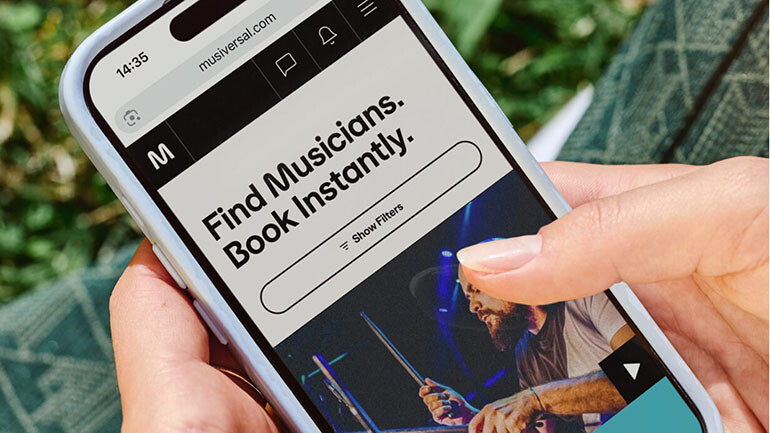
As remote recording becomes increasingly common, songwriters and producers are collaborating across cities, countries, and time zones. But while the technology has evolved, great remote sessions still depend on preparation, communication, and creative chemistry. We spoke with Christian Dietrich Santos, Head of Partnerships at Musiversal, about how to get the most out of remote collaboration.
What’s the biggest misconception about remote recording sessions?
That the technology is the hard part. Most platforms today are stable and reliable. The real challenge isn’t technical, it’s human. In-person sessions naturally create chemistry. When you’re remote, you have to be more intentional about communication, preparation, and energy. If those elements are handled well, remote sessions can be just as powerful and much more efficient.
How should songwriters prepare before a remote recording session?
Preparation is everything! Before a session, you should clearly define what you need. Is it a fully arranged part, or do you want the musician to interpret freely? Is the structure locked, or are you still experimenting? Practically speaking, I always recommend sending:
- A bounce of your latest demo
- A chord chart
- A reference track
- BPM or tempo midi map
Even if your materials aren’t perfect, having a guide your collaborator can look over beforehand will allow the session to move quickly and creatively – while keeping the focus on what matters: playing the part.
What if the songwriter isn’t trained in theory or doesn’t have formal charts prepared?
That’s completely normal. Many great songwriters work by feel. What matters most is communicating intention. You can describe sections emotionally instead of technically. For example: “This verse should feel intimate and restrained” or “The chorus needs lift and width.”
If you don’t have formal charts, at minimum provide a clean demo and clearly labeled sections. The more you reduce ambiguity, the more time you spend creating instead of troubleshooting.
How do you maintain creative chemistry in a remote setting?
You have to over-communicate early in the session (or even before!). Spend the first few minutes aligning creatively before recording anything. Talk about your vision for the song, what role you want the instrument/production to play, and even more philosophical elements like the story or influence behind the song.
Also, don’t rush the first take. The first pass often sets the tone for everything that follows. If the musician feels trusted and creatively included, the performance will reflect that.
Eye contact, even through a screen, matters. So does body language and responsiveness. Remote doesn’t mean robotic. It just means you need to be more conscious of connection.
What are common mistakes people make in remote sessions?
Three stand out:
- Over-directing. Micromanaging kills spontaneity. Give direction but leave space.
- Under-preparing. If the session becomes a file-finding exercise, you lose momentum.
- Treating it like file delivery instead of collaboration. The magic happens in real time, in dialogue, in trying ideas on the spot.
At the end of the day, it should feel like you’re in the room together.
How has remote collaboration changed the way music is made?
It’s massively expanded access. You’re no longer limited to whoever happens to live in your city. If you need a specific tone, a specific genre specialist, a certain kind of player, you can find them. Access or location just aren’t the bottlenecks anymore.
But access alone doesn’t fix affordability. The real breakthrough happens when remote recording is paired with a model that gives musicians stable, consistent income. When musicians aren’t scrambling gig to gig, the economics change. Suddenly you can work with world-class talent at a price point that actually makes sense. That combination, access plus sustainable structure, is what really shifts the industry.
And honestly, the tech is no longer the story. The screen is just the interface. This is how music has always been made: in real time, reacting, building ideas together. The difference now is you can do it from anywhere, at any time. What used to require a label budget or a big studio system is now available to most independent creators.
What advice would you give BMI songwriters exploring remote recording for the first time?
Start small. Book one session for one of your musical ideas and let it grow from there. And most importantly, stay open. Some of the best moments in a session happen when a musician brings something unexpected. Remote collaboration doesn’t remove that magic – if anything, it broadens the creative universe available to you.
Musiversal is a BMI Spark partner, and BMI affiliates can skip the waitlist and get 50% off the first month of Musiversal. To learn more and see all our Spark partners, click here.



Community
Connect with BMI & Professional Songwriters