

Creating a Comfort Zone for Studio Newbies
Some tips for working with those who are new to the recording experience
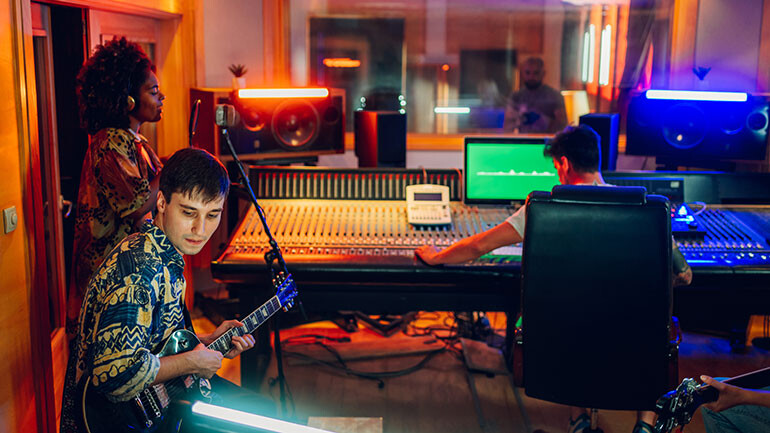
I remember walking into a small Los Angeles recording studio as a teenager, accompanying a friend of mine who’d secured an hour of tracking time to cut a single acoustic song. No sooner had they rolled a couple of fancy Neumann microphones in front of me my pulse began to race, and when it came time to sing my harmony part, sure enough I was horribly flat. “Good enough,” opined the couldn’t-care-less engineer through the talkback, who’d already begun mixing the flawed track so he could be rid of us as quickly as possible. A few months later I was in another studio in Boston and, still unnerved by the L.A. session, I sheepishly pulled out my guitar to add an overdub. Perhaps aware of my reticence, the engineer turned and said, “look, don’t sweat it, just have fun with it.” And with that I got the part on the first take.
That experience stuck with me over the years, particularly when a newcomer would enter my own studio with that same look of fear and distrust on their face. It’s a reminder that those who with limited recording experience often need special care in order to get the right sounds down—whether it’s rolling without them knowing, providing an environment that’s conducive to tracking, and, perhaps most importantly, learning to be a patient and helpful voice in the control room.
Plan Ahead
A newcomer may already be a little intimidated walking into a studio facility, and any sudden surprises—microphones or headphones not functioning, recorder suddenly freezing, etc.—will only add to that feeling of unease. Accordingly, spend a little extra time prior to the session checking out your set-up, ensuring that all wiring is secure and hardware properly functioning. Getting some momentum going early on is key to boosting a performer’s confidence, making it crucial that the session remains technically streamlined throughout.
Pre-Session Discussion
It’s also helpful to discuss the mechanics of the session over the phone (or in person) with the artist prior to them arriving at the studio. This allows you to iron out important details such as the type of equipment they’ll be using, how much time should be allotted per song, whether or not overdubs will be required and how many, using effects (or not), and so on. Rather than just walking in cold, providing the client with a detailed overview of the typical studio workflow gives them a sense of what to expect whilst in your facility, thereby helping to demystify the studio process.
Be Upbeat
If the artist is truly a newbie, it might take them some time to find their groove once the red light’s on. And like so many other pursuits, a big part of successful recording is keeping the vibe positive throughout. Expect that things may be a bit shaky in the early going and prepare to intervene especially if the performer starts making the same mistake at the same juncture over and over again. Never allow mental blocks to impede the workflow! Gently call time and allow the artist to work out the troublesome bit on their own before resuming, perhaps adding some helpful advice if necessary.
Microphone Maneuvers
Let’s face it, singing in solitude in front of a big studio microphone can be off-putting, even for those who do it frequently. What do you do with your hands while singing? Is it really necessary to stand? How close to the mic is too close? Such issues can be particularly vexing for the newcomer. The short answer—do whatever it takes to simply make the person feel comfortable. Sure, standing to record a vocal is probably better than sitting (so that you’re properly accessing your diaphragm), but if the performer would feel more at ease on a chair or high stool, or even softly strumming an unplugged electric guitar, then so be it.
Monitoring Alternatives
Those with limited studio experience may also require extra attention when donning headphones for a vocal or instrument overdub. Particularly when tracking a vocal part, ideally you’ll want a good tight-fitting set of headphones, with cups that are completely sealed (as opposed to certain models that are “open-back”) in order to keep track leakage from wandering into the microphone. However, here again is where comfort is king—if the singer is happier with headphones that have a looser fit, prefers to keep only one ear covered, or would rather hear the playback through a monitor speaker instead of headphones, do what you can to accommodate. Again, while it may not be the best situation from a technical standpoint, if it helps the artist nail the take, go for it.



Community
Connect with BMI & Professional Songwriters