

5 Tips For Avoiding Common Session Mistakes
Ideas for keeping your tracking time upbeat and productive
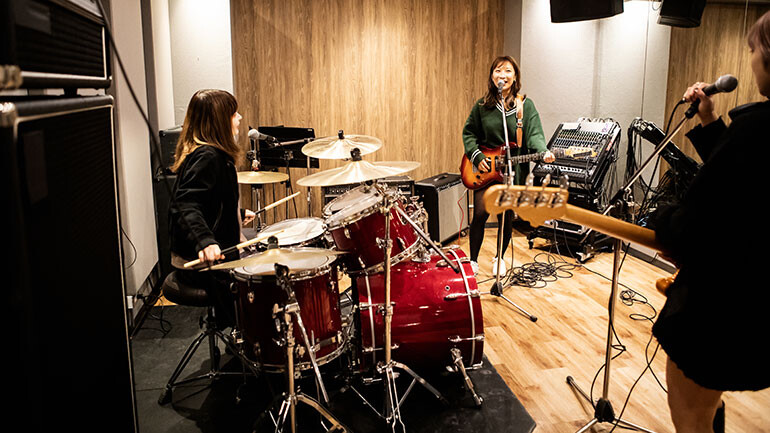
Are you a patient producer, or do you get easily frustrated with your session helpers? Do you record endlessly, or do you know when to take a “take break”? Here we look at some suggestions for keeping sessions productive and positive, whether it’s calling time out from time to time, checking to make sure instruments are properly tuned, as well as knowing that all connections and equipment are in good working order before you get going.
- Attitude is Everything If you’re not getting the results you want right away, don’t take it out on your guests—after all, they don’t want to prolong the session any more than you do. Always strive to keep things upbeat, and whatever you do, avoid piling on take after take if the feeling isn’t right just yet. For that matter, it’s always best to simply call time out, get some fresh air, put a smile back on and then resume once everyone is good and ready.
- Rehearse Before You Record Some folks like to start tracking even when the song isn’t entirely complete, using the rationale that it’ll all magically fall into place once they get going. That may well be the case on a few occasions, but by and large you could just wind up going around in circles waiting for the unfinished pieces to arrive. Which is why it’s generally best to save the recording until you’re totally done writing and rehearsing the new material. It’s okay if you find yourself short a few lines here and there, but if you still need to iron out the chorus, or write an 8-bar bridge section, don’t waste yours or others’ time until you’ve actually got it down.
- Keep on Rolling In the old days of magnetic tape, hitting “stop” was a necessary function, seeing as that there was barely a half-hour of record time per reel. Nowadays the only limitation is the size of your storage, and even the most basic recording apparatus offers enough disc space to last you numerous sessions. In other words, there’s really no need to pause in between performances—in fact, you might find that some of the best moments occur when you’re not really thinking about getting “the take,” but the machine’s running anyway. If your goal is to keep the file size manageable, you can always go back and wipe the non-essential stuff after the fact (just be sure to insert mark points around the keeper tracks while you’re recording).
- Check Your Connections Another way to create a positive and productive session is to spend some time beforehand making sure that all your gear is sufficiently patched in and in good working order. This means conducting a thorough microphone check (so you know all your XLR cables are functioning properly), testing each connection in the signal chain (including mic pre’s, effects processors, power supplies and so forth), as well as ensuring that record levels and playback volume is sufficiently hot enough (though not too hot).
- Take Time to Tune Having instruments that sound good in the room and, above all, are properly tuned is also key to a successful production. Re-stringing guitars prior to a session is always a good place to start (since new strings will be brighter and cleaner sounding). Ditto for percussion—having well-tuned, sufficiently tight heads is essential for getting a respectable drum sound. Be sure to check for cracks on the bass drum near where the beater strikes and consider replacing any deteriorating heads if need be.




Community
Connect with BMI & Professional Songwriters